We took a little break from writing and posting, but we have been busy getting our fingers yellowed, and our brew kettles going, brewing VITALITEA for your enjoyment.

Each day we learn a little bit more about how our elixir works, how to best use it, and who the people are for who the tea is able to deliver maximum effectiveness. There is a lot to write about, and we will take the time to clearly express all our thoughts. Today, we would like to summarize the 5 factors that make our tea so effective as an anti-inflammatory.
BIOAVAILABILITY
Bioavailability is the “holy grail” of nutrition. We can consume a ton of vitamins and watch them all go literally into the toilet in our bright gold color urine. Don’t like to be crude but for the most part, we really do pi** away most of the vitamins we consume. The problem is that when consumed in this form, the vitamins are no bioavailable. They are processed through as waste. They never metabolize in the body and provide the benefit we seek. Turmeric, which contains curcumin, is one of the most powerful anti-inflammatories in nature. But surprisingly, only 1% of the magical substance is metabolized by the body. So it makes sense that if we could increase bioavailability to 2% we could double the effectiveness of turmeric! That’s what we think we have accomplished. This is how:

- We begin with fresh, organic turmeric that is sourced locally here in Georgia, and we clean the rhizomes thoroughly with vinegar and distilled water.
- We cold press the rhizomes, with an approximate yield of 8 ounces (volume) of turmeric from 18 ounces (weight) of rhizomes.
Cold-pressed turmeric is more bioavailable than powdered turmeric primarily because the cold-pressing process preserves the natural enzymes and vitamins in the turmeric root. This method ensures a higher concentration of curcumin, the active compound in turmeric, which is responsible for its health benefits. Additionally, cold-pressed turmeric often includes black pepper, which contains piperine, a substance that can enhance the absorption of curcumin by up to 2000%1. In contrast, powdered turmeric has lower levels of curcumin due to processing and its bioavailability is further reduced as it’s poorly absorbed in the water-based environment of the gut. - The cold pressed turmeric, along with cold pressed ginger rhizomes, are slow cooked in a base of MCT oil.
Heating turmeric can make its nutrients more bioavailable. This is because heat helps release curcumin, the active compound in turmeric known for its anti-inflammatory and antioxidant effects, making it more available for absorption by our body. Cooking turmeric with oil, especially at 100 degrees Celsius, increases its bioavailability. However, cooking at high temperatures (above 100 degrees Celsius) can degrade curcumin to compounds which may have similar or even better medicinal properties - The formulation includes black pepper
Adding spices, particularly black pepper, to turmeric significantly enhances its bioavailability. The active ingredient in black pepper, piperine, helps inhibit certain enzymes in the body that would otherwise break down the curcumin in turmeric, allowing more of it to enter the bloodstream1. Additionally, consuming turmeric with a source of fat can also increase bioavailability, as curcumin is fat-soluble, meaning it’s absorbed directly into the bloodstream when consumed with fat. This combination of piperine and fat makes the beneficial compounds in turmeric more accessible to the body.
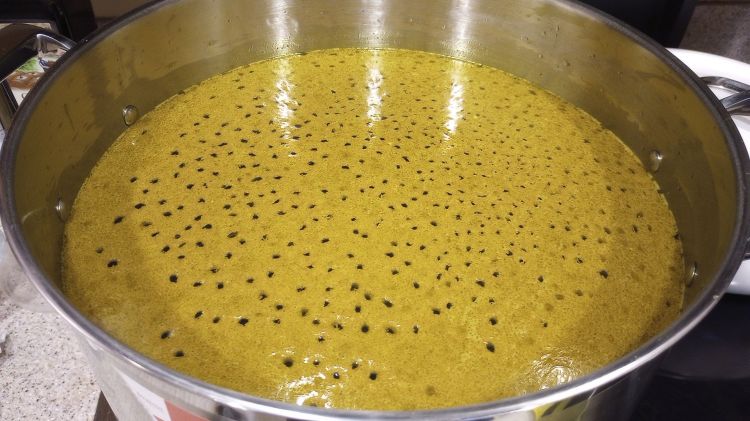
The accumulation of the effects of these cooking method appears to yield a highly bioavailable vehicle for turmeric, ginger, and other wholesome ingredients to work their natural magic for us.
LIve well…stay well.
 Rabbitabb Tea